
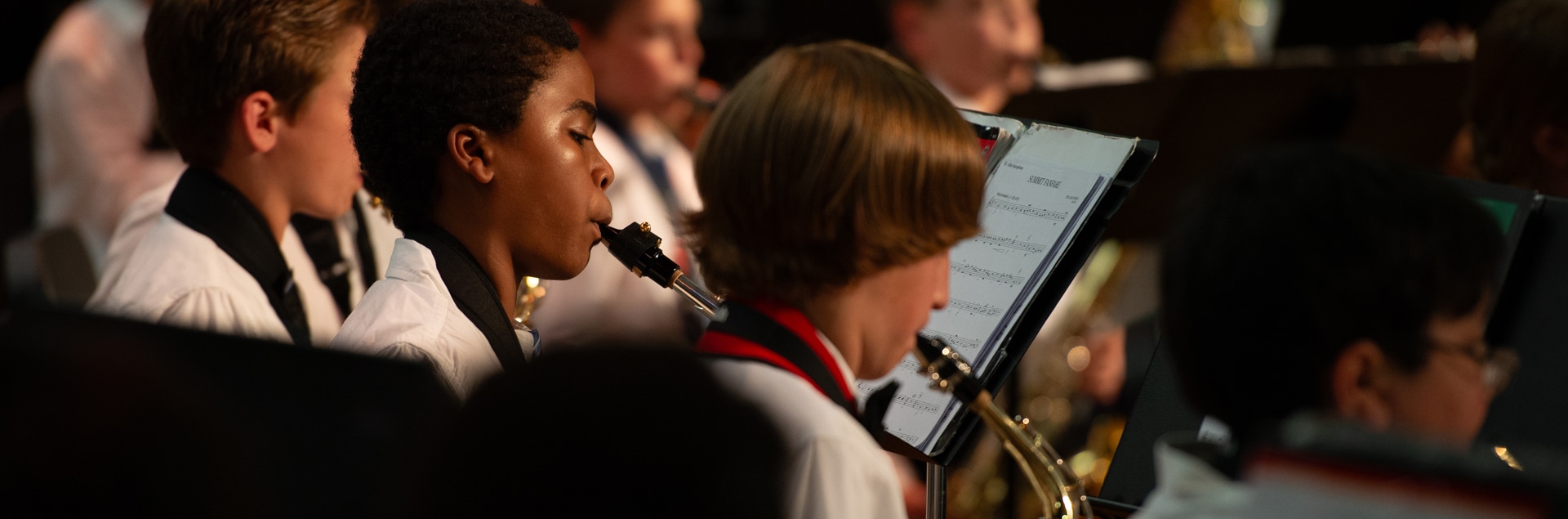
As music educators, our work extends beyond teaching notes and rhythms. At a time when classrooms are more diverse than ever, the music we choose for our ensembles has the power to either reinforce belonging or unintentionally exclude.
Traditionally, ensemble repertoire has focused heavily on Western classical traditions and mainstream commercial music. While these works are valuable, they often fail to reflect the diverse cultural backgrounds and lived experiences of today’s students. Representation in music matters. When students see their cultures, languages, and histories reflected in what they perform, it affirms their identity and fosters deeper engagement.
So how can we, as educators, choose repertoire that’s more inclusive? How can we ensure that our ensembles truly reflect the rich tapestry of student experiences in our schools?
Here are some practical, solutions-focused strategies for music teachers to create more equitable and inclusive programs where every student can find themselves in the music and grow in the understanding of others.
Why Repertoire Choices Matter
Choosing inclusive repertoire isn’t about abandoning tradition – it’s about expanding it. For decades, many ensemble programs have drawn primarily from the European canon or mainstream American popular music. These pieces are often taught because they’re readily available, well known, or considered essential to “good music education.”
However, when the majority of your concert music comes from the same cultural background, you risk sending the unintentional message that some voices are more important or valid than others.
When students hear and perform music that speaks to their heritage – whether it’s a folk song from their country, a piece written by a Black or Indigenous composer, or a work that explores social themes they care about – they feel seen, empowered, and respected.
In short, inclusive repertoire:
- Builds cultural understanding and empathy
- Validates students’ identities
- Increases student engagement
- Helps create a stronger, more connected classroom community
What Makes Repertoire “Inclusive”?
Choosing inclusive music goes beyond checking off a diversity box. It’s about intentionally selecting works that represent a broader range of experiences, composers, cultures, and themes. Here are some qualities to look for in inclusive repertoire:
- Cultural Authenticity
Is the piece rooted in a specific culture? If so, does it accurately and respectfully reflect that culture? Is it arranged or composed by someone with lived experience from that culture? Has it been vetted and adapted in a way that honors its origins? - Composer Diversity
Look at who wrote the music. Composer diversity helps broaden musical exposure and introduces students to fresh ideas and stories. Most composers have websites that provide information they want shared publicly. With a little research, you can provide context to the repertoire based on information the composer themselves has shared. - Accessibility
Inclusive music should also consider the skill level, language, and vocal/instrumental range of your students. If a piece is culturally rich but impossible to perform with your group, the outcome can be frustrating rather than empowering. Look for arrangements that meet your students where they are. For students who learn differently, there are resources from organizations like United Sound to help music teachers garner support for students with special learning needs.
Strategies for Selecting Inclusive Repertoire
Here are some practical steps music educators can take to begin diversifying their ensemble programs:
- Talk to Your Students
Ask your students what kinds of music matter to them. What genres do they enjoy outside of school? What artists or traditions do they listen to at home? Inviting students into the repertoire selection process – even partially – builds ownership and trust. - Expand Your Sources
Seek out avenues to better understand the music your students care about and to represent cultures within your school:- Local composers who may be willing to visit or virtually visit a rehearsal
- Investigate multicultural music collections
- Local artists who may be willing to share or help arrange traditional pieces, or connect you with their songwriters
- Colleagues in other schools who may have resources they’re willing to share
- Composer diversity directories (e.g.,the Institute for Composer Diversity)
- Read the composer and program notes to gauge the intention and authenticity of works you are considering
- Teach the Context
Don’t just perform the piece – help students understand where it came from. Who wrote it? What does it mean? Why is it important? Providing cultural and historical context deepens appreciation and builds understanding. - Balance the Program
The idea is to create a well- rounded program
Overcoming Common Challenges
Choosing inclusive repertoire can feel overwhelming at first – especially if you’re not sure where to start or you’re worried about doing it “wrong.” Here are a few reminders:
- Start small – even one or two new pieces a year is progress
- Be open to feedback – from students, families, or community members
- Collaborate – with fellow educators, cultural liaisons, or music mentors
- Keep learning – attend workshops, read, and listen to composers from different backgrounds
- Consider the entire program experience, adding alternatives into your program such as a student-led composition or improvisation, or short spoken-word introductions by students explaining the cultural roots of each piece
Remember: the goal isn’t to be perfect. The goal is to keep growing.
Inclusivity in repertoire isn’t a trend. It’s a mindset. It’s a commitment to ensuring that the next generation of musicians doesn’t just learn how to play – but learns that they, too, have a place in the story of music.
As you prepare for your next concert cycle or curriculum planning session, ask yourself: Who is being heard? Who is missing? And how can the next piece you choose help every student feel truly seen?
